Can You Really Build Muscle With Only Bodyweight
Yes, you can build muscle with only bodyweight, and controlled studies show about a 6% increase in muscle mass and around 10% more quadriceps strength after 12 weeks of structured bodyweight training, which is impressive for a program that needs no equipment at all.
Key Takeaways
| Question | Short Answer |
|---|---|
| Can you really build muscle with only bodyweight? | Yes. Trials comparing bodyweight vs. barbell work found similar muscle thickness gains in key muscles when programs were matched for effort and progression. |
| Is bodyweight training enough for long-term progress? | For beginners and intermediates, yes, if you use progression strategies like more reps, slower tempo, and harder exercise variations. Over time, you may choose to add tools like kettlebells as explained in our Kettlebell Guide 2026. |
| How does bodyweight compare to weights for strength? | Bodyweight programs can raise isometric and dynamic strength meaningfully. Some studies show similar strength gains to weight training when the effort per set is matched. |
| Is bodyweight good for fat loss too? | Bodyweight workouts can burn calories and support fat loss, although some trials show slightly larger early fat reductions with loaded exercises like barbell squats. |
| How often should I train with bodyweight for muscle? | Most people grow well with 2 to 4 full-body sessions per week, using challenging sets in the 5 to 30 rep range while staying a few reps short of failure. |
| Do I ever need equipment if I start with bodyweight? | You can stay bodyweight-only for a long time. Eventually, small tools like adjustable kettlebells or dumbbells, such as those we review on our site, can make progression easier, especially for lower body training. |
1. Can You Build Muscle With Only Bodyweight? What The Research Really Shows
We often hear that you need heavy barbells to grow, but controlled research does not support that absolute rule. In a 6 week trial on sedentary young women, progressive bodyweight training produced significant increases in knee extensor and flexor strength, with muscle thickness gains that were not significantly different from barbell back squats for several leg and glute muscles.
Harvard Health also reports that 12 weeks of bodyweight training raised muscle mass by about 6% and quadriceps strength by roughly 10%, using simple movements that required no equipment. These numbers are not one only results; they reflect true increases in strength and size for real-world beginners.
Across studies that compare adding load to adding reps, hypertrophy is often similar when the total work and effort are matched.
This means if you push your sets hard, choose the right progressions, and train regularly, your bodyweight-only plan can send enough stimulus for meaningful growth.
Where bodyweight can lag slightly is in very high strength outputs, like one-rep maxes, because those tests rely on lifting external loads.
For most of us who want stronger, more defined muscles rather than powerlifting totals, bodyweight training covers a large part of the goal.
2. How Muscle Growth Works When You Only Use Bodyweight
To understand how bodyweight can build muscle, we need three ingredients: tension, fatigue, and progression. External weights are not required for these, they are just one way to supply them.
Studies on repetition vs load progression show that when the total work is matched, both methods produce similar increases in muscle thickness.
In practice, this means you can grow by adding reps, slowing tempo, or choosing harder variations instead of always adding plates to a bar.
Time under tension research backs the same idea. When sets are matched so that total tension time is similar, different repetition schemes tend to produce similar strength and muscle gains across weeks of training.
So if you use slow, controlled push ups, deep squats, and focused holds, and you keep increasing the effort over time, your muscles receive a credible growth signal without ever touching weights.


3. Bodyweight Vs Weights For Muscle: Where Each Method Shines
We design training plans that combine the strengths of both approaches, but it is important to know what bodyweight alone can handle.
For many beginners and busy professionals, a bodyweight-only program checks almost every box for the first year or more.
Where barbells and adjustable dumbbells shine is precise loading, especially for lower body movements.
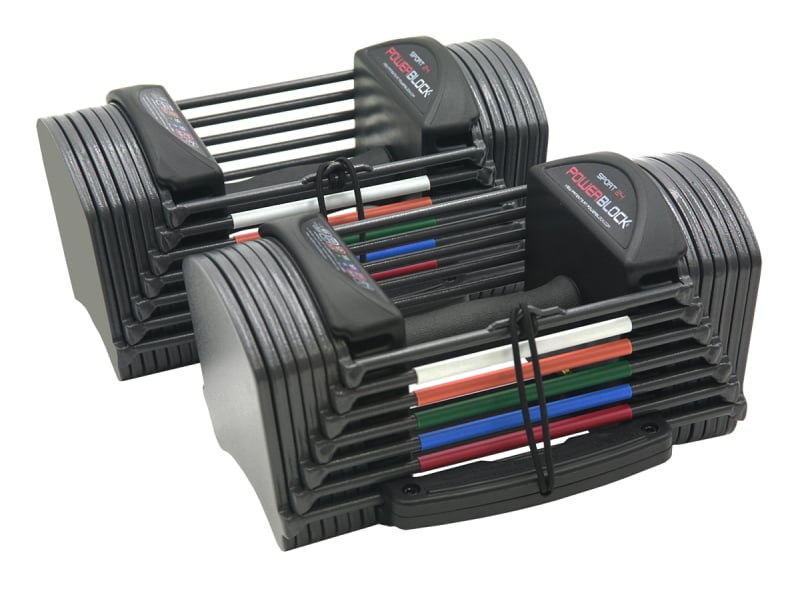
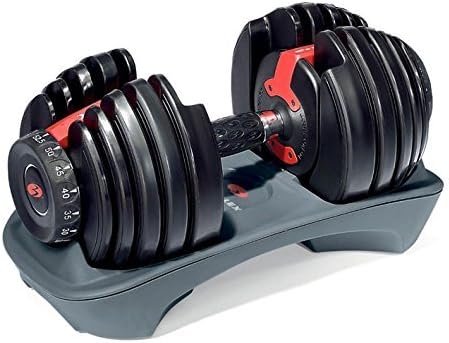
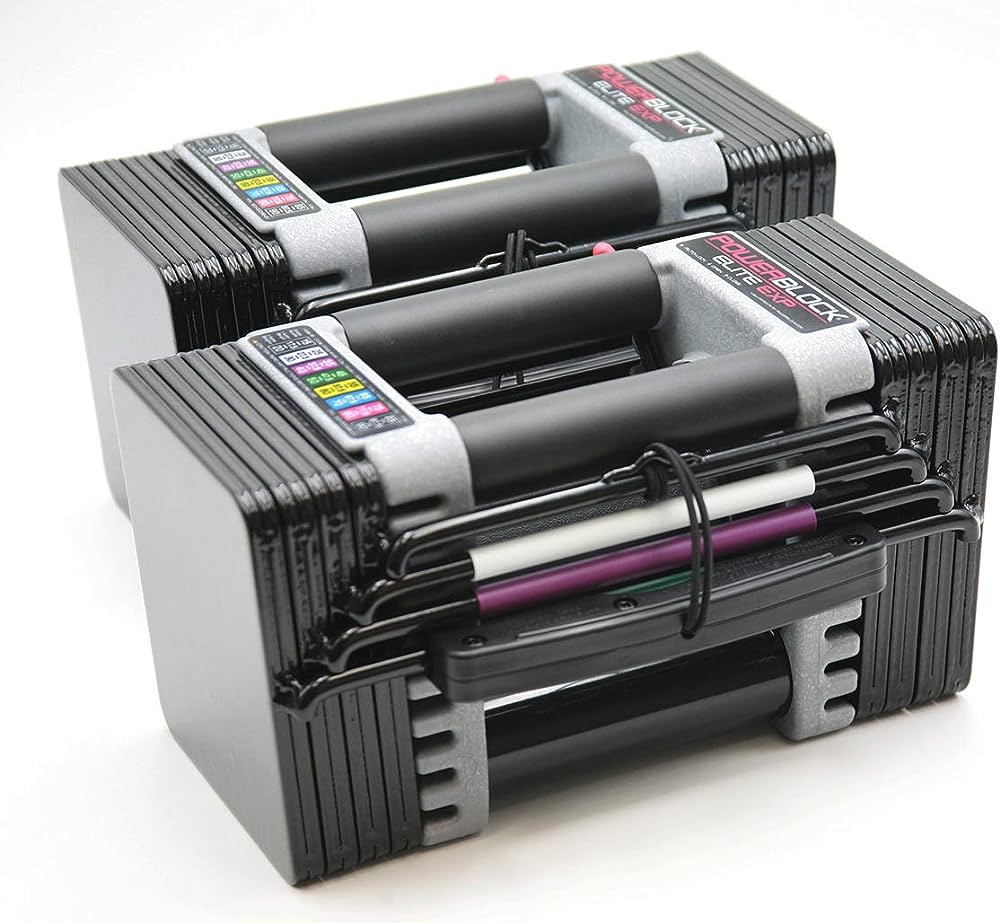
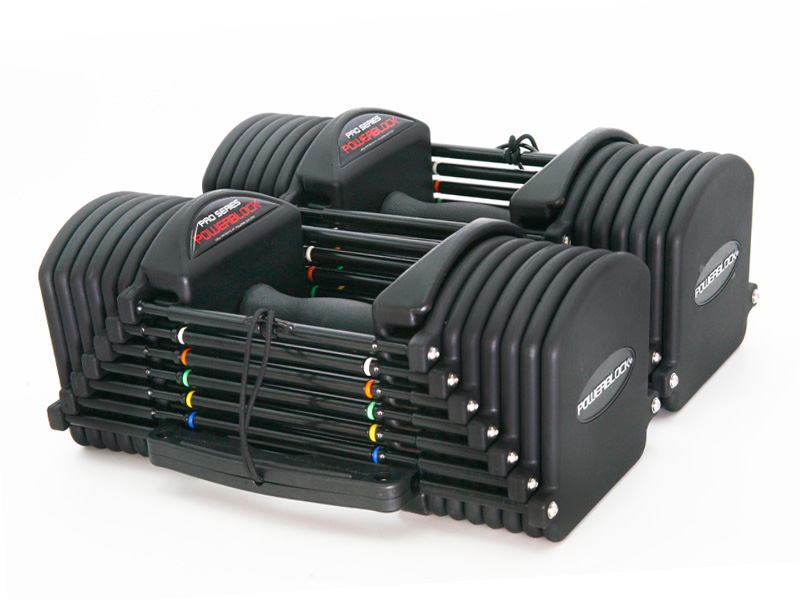
When your home push ups and squats are too easy, an adjustable tool like the Bowflex SelectTech 552i or the PowerBlock range lets you increase weight in small steps without filling your room with metal.
Here is how bodyweight compares to classic resistance tools for muscle-focused training.
| Method | Strengths | Limitations |
|---|---|---|
| Bodyweight only | Free, portable, joint-friendly, easy entry for beginners, supports muscle and conditioning together. | Harder to progress lower body loading once strong, needs creativity for advanced pulling work. |
| Adjustable kettlebells | Great for swings, squats, and presses when bodyweight squats or push ups are easy; space-saving. | Requires some technique focus, external equipment cost. |
| Adjustable dumbbells | Fine load control, easy to progress upper body work, wide exercise variety. | Higher upfront cost, slightly more storage than pure bodyweight. |
We encourage people to start with bodyweight until they plateau on key movements, then add tools, not as a requirement, but as a practical way to keep muscle gains moving over the long term.
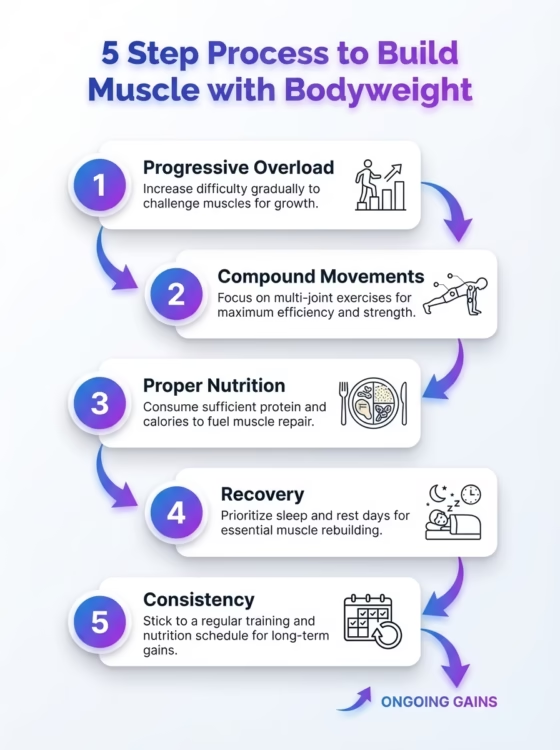
A concise 5-step plan showing how to build muscle using only bodyweight workouts.
4. Core Principles To Build Muscle With Only Bodyweight
To turn bodyweight exercises into a muscle-focused plan, we use the same principles we would apply to a barbell routine. The difference is in how we apply them, not in the principles themselves.
Principle 1: Progressive overload without equipment
With bodyweight you increase difficulty by adding reps, moving closer to failure, slowing tempo, or choosing harder versions like decline push ups and Bulgarian split squats. Research on repetition progression suggests that these methods can match load progression for hypertrophy when total work is similar.
Principle 2: Sufficient weekly volume
Most people respond well to 10 to 20 hard sets per muscle group per week, spread across 2 to 4 sessions. You can reach this with supersets of squats and push variations, so you keep sessions efficient.
Principle 3: Effort and consistency
The studies that record 6% or higher gains do not use casual sets. They push participants close to muscular failure on many sets, which you can safely mirror with sets of 8 to 30 reps that slow down on the last 2 to 3 reps.
Principle 4: Full-body balance
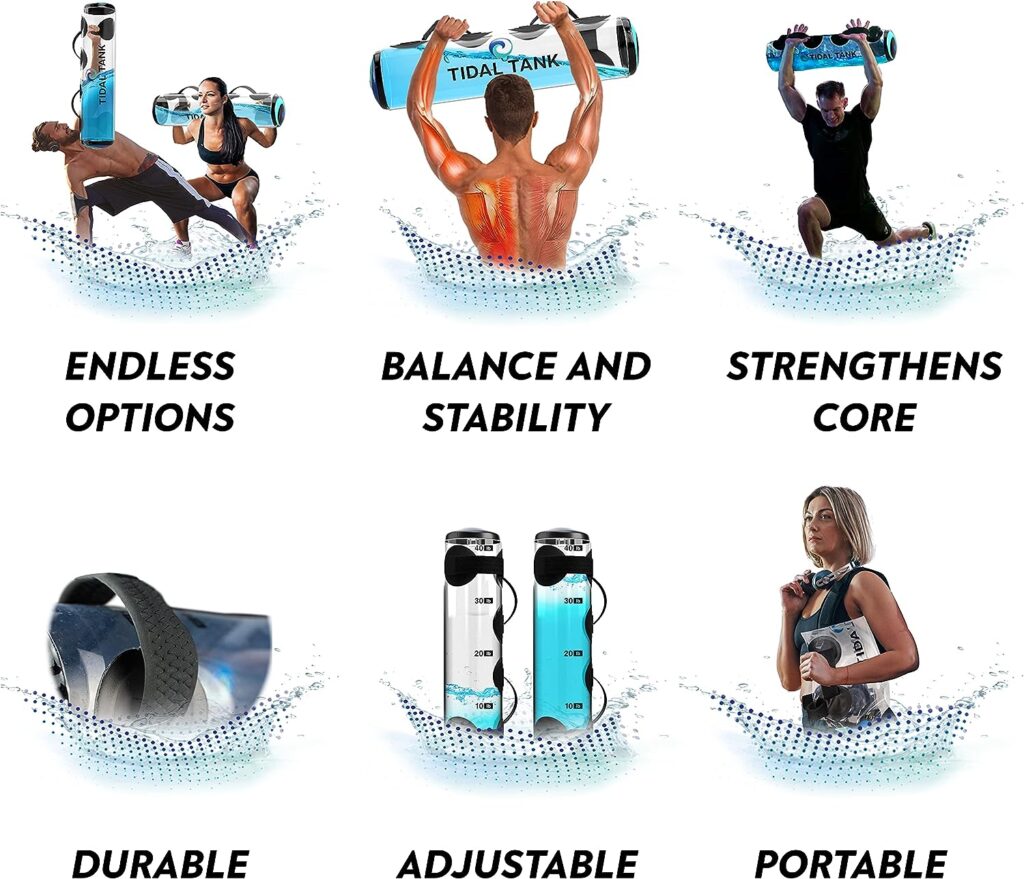
A strong bodyweight plan trains push, pull, squat, hinge, and core work across the week. You can add tools like the Tidal Tank or kettlebells later for extra instability and load, but the basic bodyweight pattern already supports balanced development.

5. The Best Bodyweight Exercises For Building Muscle At Home
When we plan a bodyweight-only routine, we focus on multi‑joint movements that recruit a lot of muscle at once. These allow you to reach muscular fatigue with no gear and minimal floor space.
Upper body bodyweight staples
- Push ups: Standard, incline, decline, and diamond variations target chest, shoulders, and triceps.
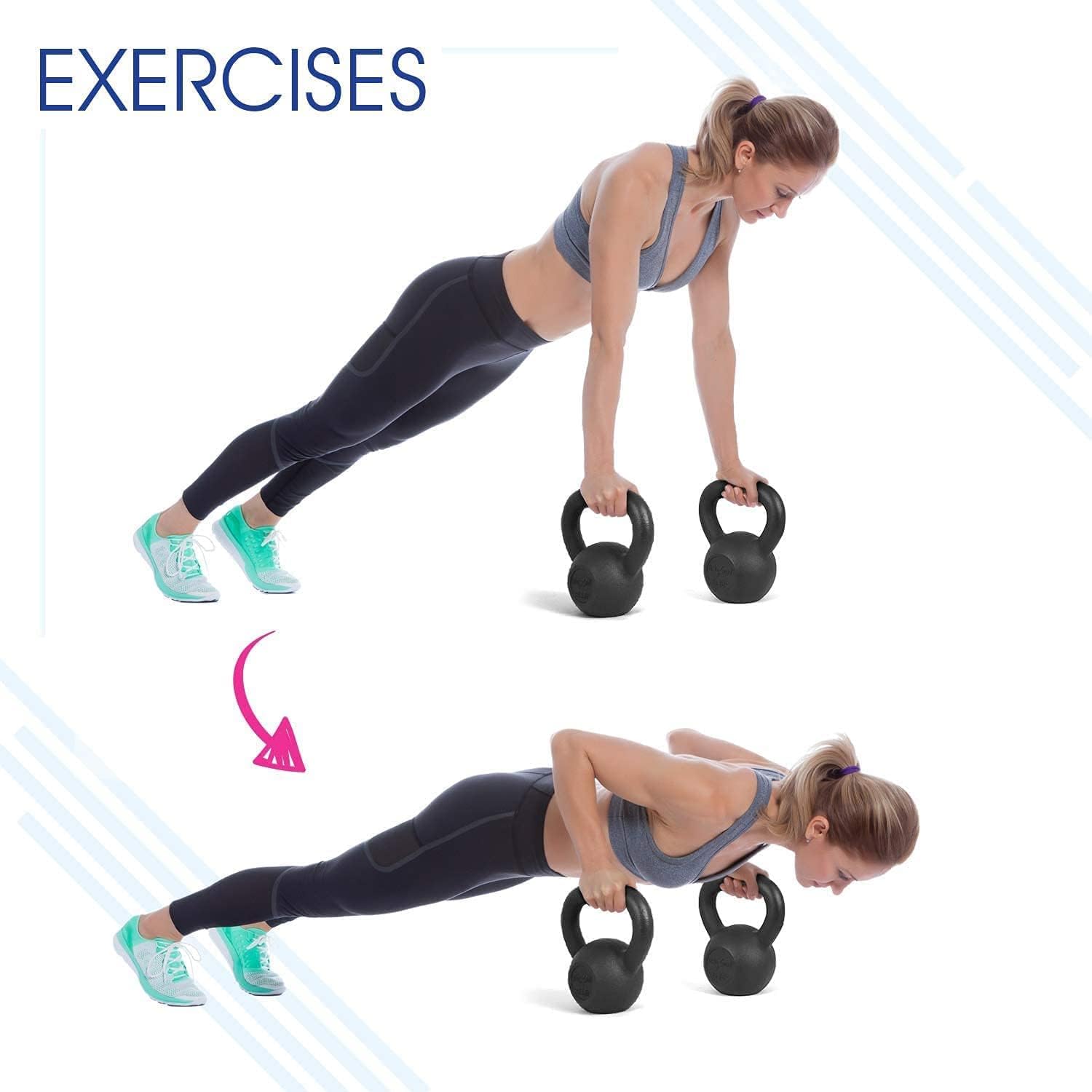
- Bodyweight rows: Performed under a sturdy table or using a suspension trainer to hit the back and biceps.
- Pike push ups: A strong option for shoulders when you do not have overhead weights available.
Lower body and core builders
- Squats and lunges: Bodyweight squats, reverse lunges, step ups, and Bulgarian split squats for quads and glutes.
- Hip hinges: Single-leg hip thrusts and bodyweight good mornings to work the posterior chain.
- Core work: Planks, side planks, hollow-body holds, and leg raises to strengthen the trunk.
You can structure these into 2 to 3 supersets and circuits to keep sessions under 30 minutes while still sending a strong signal for muscle gain.
6. Progression Strategies: How To Keep Gaining Muscle With Only Bodyweight
The biggest reason people stop growing from bodyweight workouts is not a lack of load, it is a lack of progression. We treat your bodyweight plan like any strength plan and build clear steps for making it harder over time.
Simple progression methods you can follow
- More reps: Add 1 to 3 reps per set each week until you hit the top of your target range, then move to a tougher variation.
- Tempo changes: Slow down the lowering phase to 3 to 5 seconds, or add pauses at the bottom to increase time under tension.
- Range of motion: Elevate your feet or hands to deepen squats and push ups when your joints tolerate the extra range.
- Unilateral work: Move from squats to split squats to pistol progressions to load each leg more with your own bodyweight.
When and how to add light equipment
If your home workouts feel easy despite harder variations, a small external load can extend your progress. Adjustable kettlebells like the REP Fitness Adjustable Kettlebell or the Titan Fitness version let you raise loading in 2.5 to 5 kg steps while keeping your training footprint tiny.
We usually suggest adding load when you can comfortably exceed 20 to 25 controlled reps on big movements and still feel relatively fresh, which is a sign your stimulus might no longer be ideal for continued muscle gain.


7. A Sample 3‑Day Bodyweight-Only Muscle Building Program
To show what this looks like in practice, here is a simple 3‑day weekly plan focused on muscle gain using only your bodyweight. You can run this for 8 to 12 weeks and progress with the methods discussed above.
Day 1: Push focus
- Push ups: 4 sets of 8 to 15 reps.
- Pike push ups: 3 sets of 6 to 10 reps.
- Bodyweight squats: 4 sets of 12 to 20 reps.
- Side planks: 3 sets of 20 to 40 seconds each side.
Day 2: Pull and posterior chain
- Bodyweight rows: 4 sets of 8 to 15 reps.
- Single-leg hip thrusts: 3 sets of 10 to 15 reps per leg.
- Reverse lunges: 3 sets of 8 to 12 reps per leg.
- Hollow-body holds: 3 sets of 20 to 40 seconds.
Day 3: Full-body and higher reps
- Close-grip push ups: 3 sets of 10 to 20 reps.
- Bulgarian split squats: 3 sets of 8 to 12 reps per leg.
- Inverted rows (feet elevated if possible): 3 sets of 8 to 12 reps.
- Leg raises or knee tucks: 3 sets of 10 to 15 reps.
Aim to rest 60 to 90 seconds between sets and keep a log of reps performed. When you consistently hit the top of each rep range with good form, move to a harder variation or add another set for more total work.

8. How To Combine Bodyweight Muscle Work With Conditioning
One advantage of bodyweight training is that you can merge strength and conditioning in a single session without setup time. Circuits, EMOMs, and density blocks let you maintain a high heart rate while still giving your muscles meaningful work.
For example, you can rotate push ups, squats, and rows in a 10 to 20 minute circuit and keep a set number of reps per minute. Our kettlebell EMOM guide uses this same structure with external load, and the format works just as well for bodyweight-only sessions.
Harvard Health notes that a 10 week bodyweight-focused program raised aerobic capacity by roughly a third and core endurance by about 11%. That is a strong return in overall fitness, which you can harness while still chasing size and strength goals.
If you later add tools like aqua bags or kettlebells, you can keep the same structure and simply plug weighted movements into the slots you previously filled with bodyweight options.

9. When Bodyweight Alone Might Not Be Enough (And What To Do)
There comes a point where experienced lifters and naturally strong individuals may feel that bodyweight-only options can no longer progress some muscles easily, especially lower body and upper back. Single-leg work and advanced push up progressions help, but they have limits.
One clear sign is when you can perform more than 30 controlled reps of a movement with little fatigue. At that point, the stimulus shifts more toward endurance, and it can be practical to add a small external load to keep reps in a more strength‑oriented range.
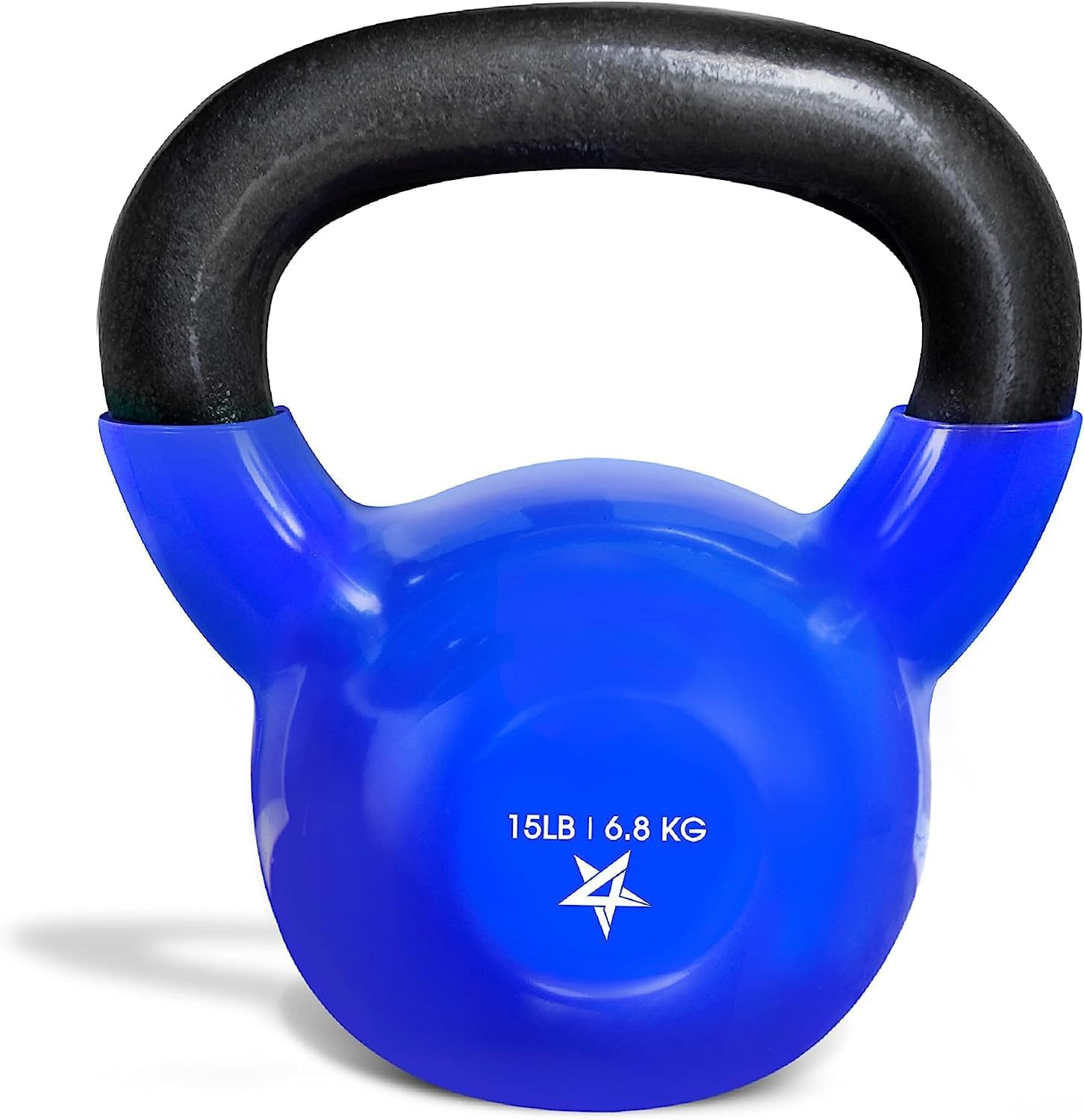
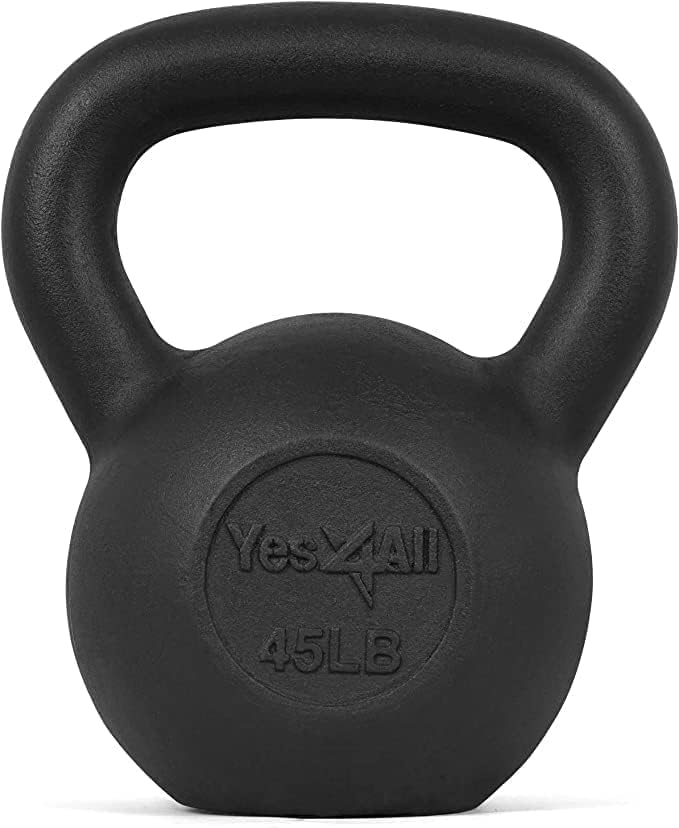
Adjustable tools keep this process simple and compact. A product like the Yes4All Adjustable Kettlebell combines multiple weights into one unit and sits on a rubber base that protects your floor while you continue using bodyweight movements as the core of your plan.
At this stage, your training is no longer “bodyweight only�, but your results still build directly on the foundation created by your earlier bodyweight-focused months.
10. Common Mistakes That Stop Muscle Gains In Bodyweight Training
We often see people blame bodyweight when the real issue is how the plan is set up. Here are the most common mistakes that quietly stall progress.
- Staying too easy: If you stop every set far from fatigue, you never tell your body that more muscle is needed.
- No structured progression: Random workouts with no log make it hard to add reps, sets, or exercise difficulty over time.
- Neglecting pulling work: Without rows and pull variations, the back and biceps lag behind chest and quads.
- Only high‑rep circuits: Constant 30 to 50 rep sets can be useful, but if everything is high rep, you may miss out on the moderate‑rep ranges that many people find effective for muscle gain.
Correcting these issues is usually enough to restart growth, even if you do not add any equipment at all. With a simple logbook and a clear plan for adding difficulty, your own bodyweight becomes a very capable training tool.
Conclusion
To sum up, you can absolutely build muscle with only bodyweight, and the research record supports that statement. Controlled studies and real-world reports show clear gains in muscle mass, strength, and broader fitness from structured bodyweight programs that use progression and sufficient effort.
For many people, the smartest approach is to start with bodyweight, master fundamental movement patterns, and push those hard before thinking about equipment.
When and if you need more loading, compact tools like adjustable kettlebells, aqua bags, or dumbbells extend your potential, while your bodyweight base remains the core of your training.
If your goal is a stronger, more muscular body without relying on a full gym, a well-planned bodyweight-only program is not a compromise. It is a proven, practical way to make steady progress using the simplest equipment you will ever own, your own body.