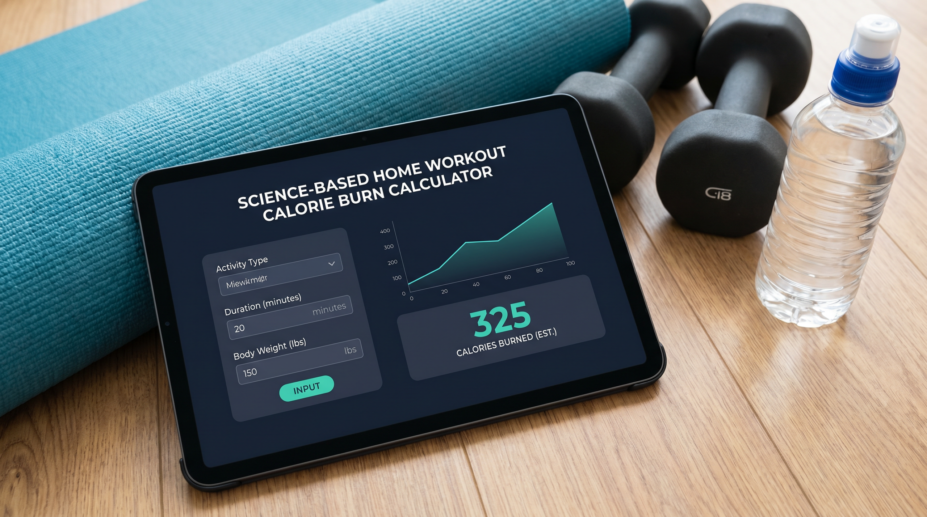
Science-Based Home Workout Calorie Burn Calculator (2026 Edition)
Stop guessing and start measuring. Our 2026 updated algorithm uses refined MET (Metabolic Equivalent of Task) values and EPOC variables to give you the most accurate calorie expenditure data for kettlebell training, HIIT, and home cardio.
Why “Standard” Calorie Counters Are Wrong
If you rely on your smartwatch to tell you how many calories you burned during a session of 20-minute kettlebell workouts, you are likely receiving inflated data. Research in 2026 has shown that standard consumer wearables overestimate calorie burn by anywhere from 27% to 93%. This discrepancy often leads to “caloric compensation,” where fitness enthusiasts overeat because they believe they’ve burned more energy than they actually have.
Our Science-Based Home Workout Calorie Burn Calculator is built on the Metabolic Equivalent of Task (MET) framework, which is the gold standard in clinical exercise science. By using updated 2026 values, we account for the unique metabolic demands of ballistic movements like kettlebell swings and the neurological demand of high-intensity training.
The Science of MET Values in 2026
A MET is defined as the amount of oxygen consumed while sitting at rest. To calculate your burn, we multiply the MET value of your specific activity by your body weight and the duration of the exercise. However, 2026 standards have refined these values to better reflect modern home gym equipment like Powerblock adjustable dumbbells and kettlebells.
| Activity Type | 2026 MET Value | Average Burn (per 30 min / 180lb person) |
|---|---|---|
| Tabata Protocol (Kettlebell) | 14.0 – 15.0 | ~610 Calories |
| Vigorous Kettlebell Swings | 12.0 | ~490 Calories |
| HIIT Bodyweight Training | 9.0 | ~365 Calories |
| Traditional Resistance Training | 6.0 | ~245 Calories |
The Kettlebell Advantage: Why It Outperforms Dumbbells
In our comparison of kettlebells vs dumbbells, research shows that kettlebell sessions burn approximately 20-25% more calories than equivalent dumbbell workouts. This is due to the “offset” center of gravity in a kettlebell, which forces your core and stabilizing muscles to work harder throughout the entire range of motion.
EPOC: The “Afterburn” Reality
One of the most discussed topics in 2026 fitness is Excess Post-exercise Oxygen Consumption (EPOC). While many marketing campaigns suggest you will burn calories for 48 hours after a workout, science provides a more conservative—but still significant—picture. Our calculator includes an optional “Intensity Multiplier” to account for this.
- The Bonus: EPOC typically adds between 6% and 15% of the total energy expended during the workout.
- The Window: The most significant metabolic boost occurs in the 15-minute to 2-hour window post-workout.
- The Driver: EPOC is driven more by intensity (how hard you work) than duration (how long you work).
For those looking to maximize this afterburn, incorporating a kettlebell CrossFit style workout is one of the most effective ways to trigger a sustained metabolic response.
Building “Metabolic Armor”
In 2026, the fitness community has shifted focus from “calorie chasing” to building Metabolic Armor. This term refers to the development of skeletal muscle which acts as a “metabolic organ,” improving glucose disposal and increasing your Basal Metabolic Rate (BMR).
When you use tools like Bowflex SelectTech 552 dumbbells for muscle hypertrophy, you aren’t just burning calories during the set; you are upgrading your body’s engine. This is critical for longevity and what researchers call the “Marginal Decade”—ensuring you stay functional and strong in the final ten years of your life.
Safe Lifting: Saving Your Spine
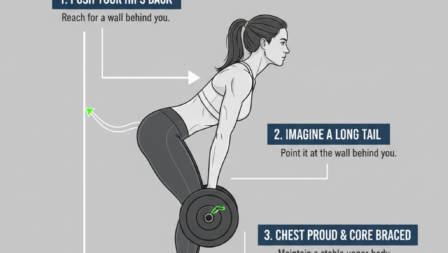
High calorie burn should never come at the cost of injury. As noted in our 3 hip hinge cues guide, poor lifting mechanics are a leading cause of burnout and injury. Proper form ensures that the energy expenditure is being driven by the correct muscle groups (glutes and hamstrings) rather than stressing the lumbar spine.
Frequently Asked Questions
Yes. 2026 trends focus on “Time-Efficient Structured Workouts.” A 10-minute high-intensity kettlebell session using the Tabata protocol can produce cardiovascular gains equivalent to 30 minutes of steady-state cardio, with a caloric burn of up to 200 calories depending on intensity.
Weight is a factor, but cadence (speed) and “time under tension” are equally important. A lighter bell swung faster can often burn more than a heavy bell moved slowly. However, to build “Metabolic Armor,” progressive overload with heavier weights is necessary.
Footwear is vital for stability and energy transfer. We recommend checking our guides on best shoes for cardio workouts or best shoes for crossfit to ensure you have a solid foundation for ballistic movements.
Our calculator applies a percentage-based increase (6-15%) based on the “Intensity Multiplier” you select. This is consistent with 2026 research findings on EPOC.
Optimize Your Home Gym for Maximum Burn
To get the most accurate results from our calculator, you need the right equipment that allows for consistent intensity. Whether you prefer the space-saving design of Bowflex SelectTech 1090 dumbbells or the rugged durability of Yes4All powder-coated kettlebells, having professional-grade gear is essential for safety and performance.
Remember, calorie burning is only one piece of the puzzle. For a comprehensive approach to health, consider your nutrition as well. High-quality protein and bone-supporting nutrients are vital when following high-intensity programs. Check out our nutrition guide for strong muscles and bones for more details.
Ready to Level Up Your Home Training?
Explore our comprehensive reviews and guides to find the perfect equipment for your fitness journey.
View Top Rated Kettlebells of 2026Browse All Workout Guides