Kettlebells Weight Training
Latest Update: November 03, 2026
Kettlebells Weight Training combines strength exercises with movements that challenge coordination, grip, and work capacity. We can build a balanced routine by learning the basic movement patterns, choosing a suitable load for each exercise, and adding speed only when technique stays consistent.
Key Takeaways
- Build a full body exercise menu with a squat, hip hinge, single leg movement, push, pull, and carry.
- Practice kettlebell deadlifts and swings with a clear hip hinge, letting the hips drive the bell rather than lifting it with the arms.
- Use controlled sets and enough rest for strength work. Choose timed intervals for conditioning only while repetitions remain steady.
- Choose a separate kettlebell load for each movement when needed. A press and a deadlift often call for different weights.
- When adding kettlebells to weight training, plan around the demanding patterns already covered by barbell or machine work.
- For a guided introduction to the main movements, use our guide to training with kettlebells.
View Best Prices at Amazon US—>
View Best Prices at Amazon UK—>
Choose movements that train the whole body
A balanced kettlebell session covers different movement patterns instead of repeating one kind of lift. Use kettlebell deadlifts or swings for the hip hinge, goblet squats for squatting, and lunges for single leg work.
Add presses for pushing, rows for pulling, and suitcase carries for loaded walking. This combination trains the upper body and grip alongside the legs, while offering straightforward ways to vary the session.
This mix can serve different goals when programmed accordingly: controlled, progressively harder lifts develop strength; swings and well-paced circuits challenge conditioning and work capacity; carries demand grip and trunk control.
The kettlebell itself does not guarantee results. Strength still needs a gradually challenging load, while conditioning depends on sustained quality work.
Kettlebells are a versatile route to fitness, not a shortcut that makes other resistance training unnecessary.
Turkish get ups link floor positions, shoulder control, and transitions into one deliberate sequence. Practice them as a controlled skill, not as a fast conditioning drill.
For a simpler starting point, use a goblet squat or kettlebell deadlift before progressing to a lunge or a fast lift. Our kettlebell workout program offers another place to explore exercise combinations.
These exercise demonstrations illustrate the range of movement patterns used in kettlebell sessions.
Build technique before adding speed
Start the hip hinge with unloaded repetitions, moving the hips back while keeping the trunk steady. Then practice kettlebell deadlifts before swings, so the swing builds on a familiar hinge instead of an arm lift.
In a kettlebell swing, the hips drive the bell forward through forceful hip extension. Begin with a two hand swing, and try a one hand swing only when the bell travels consistently and your grip stays secure.
Build toward cleans and snatches through controlled hinge and swing practice. Add the catch of a clean and the overhead position of a kettlebell snatch with light, deliberate repetitions before increasing pace or load.
Stop a set when the hinge, grip, or bell path changes noticeably. More repetitions or speed do not improve a set when control has started to slip.
The Yes4All Powder Coated Kettlebell Weights are cast iron bells with a powder coated finish, pound and kilogram labels, a wide, slightly textured handle, and a flat bottom.
Their clearly marked choices and textured handle make them a practical fixed weight option for rehearsing controlled deadlifts and building toward swings.
These views show the kettlebell handle and finish that matter when practicing a secure grip.
Structure sessions for strength and conditioning
View Best Prices at Amazon US—>
View Best Prices at Amazon UK—>
For strength work, select a few controlled movements and perform about 3 to 5 sets of 3 to 8 repetitions. Rest long enough to keep each set technically strong, especially when the load makes the final repetitions demanding.
For conditioning, pair movements with different patterns, such as swings with presses or squats with rows. Timed intervals can raise the pace, but finish or pause an interval if clean repetitions become difficult to maintain.
A simple full body session can include a squat, a hinge, a press, and a row or carry. Avoid placing demanding lifts for the same movement pattern back to back, since fatigue from the first can limit control in the next.
Keep strength sets apart from fast circuits when fatigue would make it hard to control a challenging load. We can use circuits for metabolic conditioning, while keeping slower strength work focused on strong, repeatable sets.
To see a beginner friendly way to arrange early sessions, visit our beginner kettlebell program.
These images show training examples that pair well with planned strength and conditioning sessions.
Sample sessions and progression
Place Session A and Session B on nonconsecutive days, with rest or easy movement between. Session A: goblet squat, kettlebell deadlift, floor press, row. Session B: reverse lunge, two-hand swing, press (or floor press if overhead work is uncomfortable), suitcase carry.
Use controlled sets for strength lifts and short, crisp swing bouts; rest until grip and breathing recover enough for clean repetitions.
If a session already includes a demanding barbell lift, remove or reduce the overlapping kettlebell movement.
For strength lifts, use the sets and repetitions described above; rest until you can repeat the same mechanics.
When every set reaches the top of the stated repetition range with clean form, increase by the smallest available load step at the next session.
If the bell jump is too large, keep the load and improve control. For swings, add work only while the hinge, grip, and bell path remain consistent.
Conditioning circuits add work but do not guarantee weight loss; weight change depends on sustained overall energy balance, not a particular swing target.
Choose a pace you can recover from and repeat rather than forcing daily high-fatigue sessions.
Select a load for the movement, not just the workout
A bell that works for a deadlift or swing may be too heavy for a press or Turkish get up. Judge each movement separately and use different loads when needed.
Begin with a weight you can move under control, then build by adding repetitions or sets before increasing the load.
This gradual approach to progressive overload gives you a way to advance without turning every session into a test of speed.
Choose a trial bell for each movement. A deadlift should allow a stable hinge and controlled set-down; a goblet squat should stay balanced without the bell pulling the torso forward.
Presses and get-ups often need a distinctly lighter bell than hinges. New lifters can rehearse the pattern unloaded, then test a light bell; experienced lifters should still assess overhead and ballistic movements separately.
Start light enough to finish with several clean repetitions in reserve, then increase by the smallest available step only if balance, grip, and position stay steady.
For strength sets, avoid letting short rests or a fast pace turn a challenging load into uncontrolled repetitions. Fixed bells offer a simple choice of load for each movement, while adjustable bells let you change weight within one bell.
The Rep Fitness Adjustable Kettlebell 24kg has a cast iron body, powder coat finish, removable plates, and a thermoplastic adjustment mechanism.
Its listed weight range is 35 to 53 lb, and its $210 price makes it a clearly specified adjustable option for changing loads between exercises.
View Best Prices at Amazon US—>
View Best Prices at Amazon UK—>
These adjustable kettlebell images show examples of the format and parts used to change loads between movements.
For weight selection basics, use our beginner guide to kettlebell weights if you have not already visited it.
For a fixed weight example, view this kettlebell option alongside your needs for grip space and a stable starting position.
Combine kettlebells with barbell or machine training
Plan around the hard work your routine already includes. Put heavy barbell squats and kettlebell swings on separate days when both sessions would heavily load the lower body, or use fewer kettlebell repetitions if they share a day.
Kettlebell presses, rows, or carries can complement barbell training when those patterns are not already receiving substantial work.
If you combine methods in one session, do the strength priority first, then add lighter kettlebell work for assistance or conditioning.
Schedule recovery between demanding sessions so your technique and output remain consistent. Filling every open day with hard circuits can crowd out focused strength work and leave little room to perform each session well.
When comparing tools for a home routine, our guide to adjustable kettlebells and dumbbells for beginners helps frame the equipment choice around your movements.
Adapt training to limited space or equipment
View Best Prices at Amazon US—>
View Best Prices at Amazon UK—>
A single kettlebell supports squats, deadlifts, presses, rows, and carries. Alternate sides on one arm movements to train both sides without needing a pair of bells.
Choose controlled deadlifts instead of swings when you do not have clear space for the bell to travel. If an overhead position is uncomfortable, use a goblet squat or floor press instead, and shorten sets when grip begins to limit control.
An adjustable kettlebell can change weight between movements, which helps when one load does not suit both a hinge and a press.
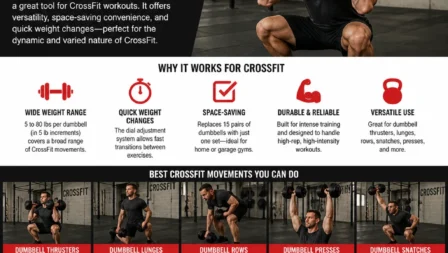
The Yagud Adjustable Kettlebell is intended to replace multiple fixed weight bells and has a dial based adjustment system described in its product information. Its listed price is $139.99.
For another take on changing weights within one bell, explore our guide to an adjustable kettlebell for strength training.
Frequently Asked Questions
What is the difference between a competition kettlebell and a traditional kettlebell?
A competition kettlebell uses a consistent body size across weight options, while a traditional cast iron kettlebell usually grows larger as its weight increases. Competition bells typically use a steel shell, while traditional bells are commonly cast as one iron body.
Do I need gloves for kettlebell training?
Gloves are optional, and many lifters prefer bare hands to feel the handle and adjust their grip during swings or cleans. If you use gloves, choose a close fit that does not bunch around the handle.
Can I use a kettlebell on a carpeted floor?
Yes, a firm, low pile carpet can provide a stable surface for controlled lifts. Keep the bell on a level area and set it down carefully to prevent it from tipping on a soft or uneven patch.
How should I store a kettlebell safely at home?
Store it upright on a level floor, away from walkways and places where it could be knocked over. Keep adjustable plates and their adjustment parts together in a stable spot when they are not installed.
How do I know when a kettlebell needs replacing?
Look for cracks, a loose handle, or damage that changes how the bell sits or moves. Retire a bell when its construction no longer holds securely during ordinary handling.
🛒 Check Price
Conclusion
Kettlebells Weight Training works best when we match exercises and loads to the goal of each session.
Build the hinge and squat, add pushes, pulls, carries, and single leg work, then progress repetitions, sets, or weight while keeping technique consistent.
Use controlled sets for strength and carefully paced intervals for conditioning, and fit kettlebell sessions around the rest of your training.
With thoughtful movement choices and manageable equipment, a kettlebell can support a practical routine at home or alongside barbell and machine work.