Should You Buy One or Two Kettlebells
Latest Update: November 08, 2026
Should You Buy One or Two Kettlebells? For most beginners, one kettlebell is the better first purchase unless their planned routine regularly uses lifts with a bell in each hand. Choose its weight for the movements you expect to train, then buy a matched pair when two-bell work is a regular part of that plan.
Key Takeaways
- Start with one kettlebell if your plan uses swings, goblet squats, presses, or Turkish get ups one side at a time.
- Buy a matched pair when your program regularly calls for two bells in the same movement, such as double front squats or double cleans and presses.
- Choose weight for the movement. A bell that suits a squat may be too heavy for a press, so consider the exercises in your plan before choosing a weight.
- Two kettlebells do not always mean a matched pair. Different weights can suit alternating work, but they create an offset load that you need to manage deliberately.
- Think about storage and workout flow. A second bell takes up room, and it adds value when your training uses it often.
- For help comparing construction, handle fit, and weight options, use our guide to comparing kettlebells.
Check Prices and Deals on Amazon
Choose one bell or a pair based on your training plan
Picture this: You have room for one piece of equipment, and your workout plan includes swings, squats, and presses. If each exercise uses one bell at a time, a single kettlebell can cover the whole session, while buying a pair may add cost and storage needs without changing the workout.
Start with the actual exercises in your routine, not the number of bells in a product set. Write down the movements you expect to repeat, then mark which use one bell and which require two bells at once.
- General fitness and a simple home setup: Begin with one versatile bell and learn the movements your program includes.
- Strength training with two bell lifts: Consider a matched pair if double front squats, double cleans, or double presses are regular parts of the plan.
- Conditioning: One bell is enough for many circuits that alternate swings, squats, and one arm work. A pair can fit circuits built around two bell movements.
- Limited space or budget: Buy the weight or weights your plan uses most, rather than filling a corner with bells you rarely pick up.
Buying two kettlebells total does not always mean buying a matched pair. Two bells in different weights give you options for separate movements, while a matched pair lets you hold one bell in each hand at the same time with an even load.
Which exercises suit single bell or double bell work?
Single kettlebell training suits movements where you hold one bell, including a swing, goblet squat, one arm press, snatch, and Turkish get up. These movements let you work one side at a time when appropriate, or hold a single bell with both hands for exercises such as a goblet squat.
Double kettlebell training suits exercises where each hand holds a bell, such as double front squats, double cleans, and double presses. Two bells can also increase the total load in a bilateral movement, provided you can lift and hold them with steady control.
A kettlebell swing can be performed with one bell or two, but the two bell version changes the setup and demands more coordination. Start with a load that allows a controlled hip hinge and a consistent swing path, then add a second bell only when it fits your training plan and technique.
Single bell work can also create an offset load when you hold the bell on one side. Alternating sides gives you a way to train each side separately, while using two different bells at once makes the load uneven and calls for extra attention to position and balance.
Commercial kettlebells are offered in capacities from 3 pounds to 100 pounds or more.
Source: Cureus
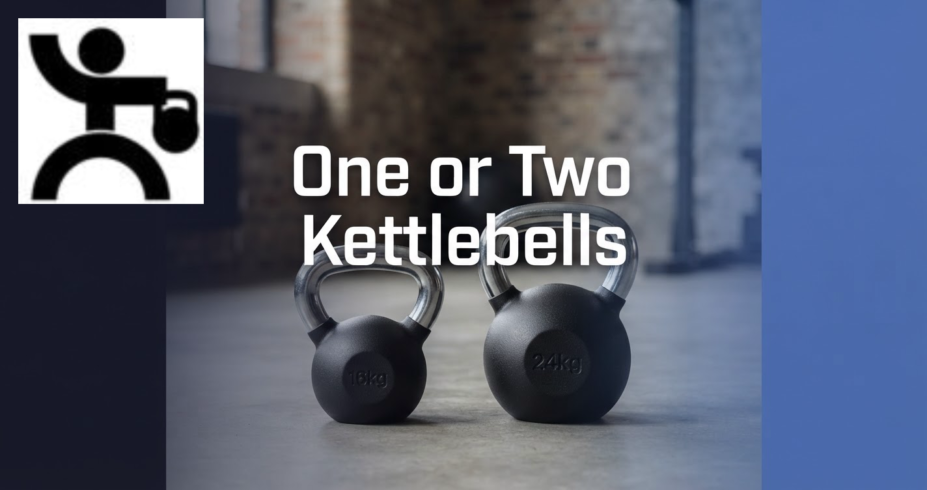
Here are two visual examples of equipment and exercise choices related to single and double bell training.
Which kettlebell weight should you get?
Choose a weight you can control through the exercises you plan to do. A swing and a press place different demands on your grip and movement, so one bell may not feel equally suitable for every lift.
Beginners often choose one manageable weight for foundational movements, then add another weight as their training needs change. Our guide to choosing a kettlebell covers weight selection and practical fit in more detail.
Judge the load by the lift, not by a generic beginner label. For a press, choose a bell you can bring to your shoulder and press without leaning or losing a steady wrist.
For a goblet squat, check that you can hold it securely while reaching your planned depth; for a Turkish get-up, make sure you can control it through every position.
For swings, look for a crisp hip hinge, a consistent bell path, and steady posture rather than lifting the bell with your arms.
If control breaks down, choose a lighter bell; if the movement stays crisp but feels too easy, a heavier one may suit that lift.
One weight may not suit every movement, so let your plan—not the idea of a universal starting weight—guide the choice.
A set can make sense when you need different loads for separate movements, rather than two equal bells for the same lift.
For example, the BalanceFrom Wide Grip Kettlebell Exercise Fitness Weight Set contains three vinyl kettlebells filled with cement, weighing 10, 15, and 20 pounds.
That is a three weight set, not a matched pair for simultaneous lifts. Its varied weights give you options for separate exercises, while a matched pair is the more direct choice when your program calls for two bells of equal weight at the same time.
Do two kettlebells need to be the same weight?
No, two kettlebells do not always need to match. A lighter bell and a heavier bell can serve separate exercises, or you can use different weights for one sided work by switching the bell between sides and repeating the same work on each side.
Using two different weights together creates an offset load. Treat the sides deliberately and keep the movement controlled, because a mismatched pair feels different from two equal bells.
For simultaneous double bell lifts, matching weights make the movement easier to set up and keep the load even. Also consider whether both bells fit comfortably in the rack position, with enough room for your hands and forearms.
An adjustable kettlebell can provide different loads without requiring a floor full of fixed weight bells. Our adjustable kettlebell set guide explains how adjustable designs work, including weight plates and locking systems.
Check Prices and Deals on Amazon
The capacity range describes products available, not what a beginner should buy or lift. The cited swing-weight statement is general context, not a universal maximum or starting target: an appropriate swing load depends on the lifter, the training purpose, and whether the hinge and bell path stay controlled. Use movement quality to guide your choice rather than treating either statement as a prescription.
When should you progress from one bell to two?
Add a second bell when your planned exercises call for two bells and you can perform the same movements with controlled setup, rack position, and repetition quality. You do not need a matched pair just because you are new to kettlebell training.
Introduce double bell work gradually. Begin with a manageable load, focus on the clean and rack position before adding more repetitions or speed, and keep the first sessions focused on a small number of double bell movements.
If you do not yet have a program, our beginner kettlebell program can help you plan a starting routine around the movements you want to learn.
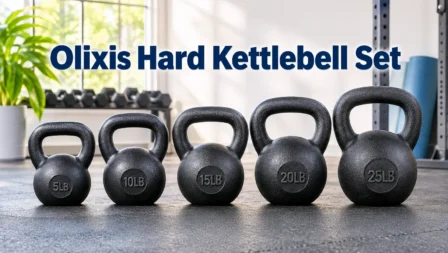
The Newbulig Hard Kettlebell Set includes four weights, 5, 10, 15, and 20 pounds, with an HDPE shell and solid concrete core, and is listed at $59.99.
That set offers several weight choices, rather than a pair of identical bells. Choose that kind of setup when varied loads suit your plan, and choose a matched pair when your repeated exercises specifically need two equal bells.
Balance cost, storage, and workout flow
A second kettlebell is useful when it supports exercises you plan to do regularly. If your routine uses one bell at a time, another weight may give you more practical variety than a matching second bell.
Pairs take up more floor space than one bell, and a set of several weights needs room for each piece. Consider where the kettlebells will sit between sessions and whether you can move between exercises without repeatedly shifting equipment.
Fixed weight bells are straightforward to pick up and use, while adjustable designs keep several loading options in one unit.
Each approach changes your workout flow: fixed weights allow a quick switch between bells, while an adjustable model requires changing its setting between loads.
Make the buying decision after you choose the program, not before. That is the simplest way to avoid paying for a matched pair when your workouts use one bell, or buying one bell when your regular lifts need two.
Frequently Asked Questions
Do kettlebell programs usually require matching pairs?
Check the program’s equipment list for movements that put a bell in each hand; those exercises are a clear sign that a pair is needed.
How can I tell if two kettlebell handles will fit together in a rack position?
Hold the bells in the rack position with relaxed shoulders and wrists, then check that the handles do not press against each other or crowd your forearms. A comfortable position matters because the bells need to stay controlled during the transition into the lift.
Can I use an adjustable kettlebell for double bell training?
One adjustable kettlebell can support single bell training at several loads. Double bell training requires two units if the exercise calls for one bell in each hand, so plan around the equipment your program specifies.
Is it better to buy another kettlebell or a different weight?
Let the movement you want to add decide: choose another load for a different exercise, or a duplicate for lifts done with a bell in each hand.
How should I store multiple kettlebells in a small home gym?
Choose a stable, level storage area with enough room to set each bell down without blocking your training space. Keep the weights grouped in a clear order so you can select the intended bell quickly between exercises.
Can I switch between one bell and two bells in the same workout?
Yes. Set up the equipment for each exercise before the session, so transitions between single and paired work are ready.
See also: B09ZITcxy.
Conclusion
Should You Buy One or Two Kettlebells? Buy one if your routine centers on single bell movements, one sided training, and a compact setup.
Choose a matched pair when your regular exercises call for two bells at once, and consider a different weight instead when you need more options for separate movements.
Stop guessing and start measuring your decision against your actual workout plan, available space, and budget. The right number of kettlebells is the number that lets you train the movements you intend to repeat.